

Would you like some delicious beets?
Dreaming of a new frontier

Today we’re getting elemental. Sharp-edged boulders, stones smoothed by the tides, and plants that grow beneath our feet—that’s right, this newsletter is all about earth.
Start off with Gabriel Tallent’s CRUX, a coming-of-age novel about two teenagers obsessed with rock-climbing that echoes what nature writer John Muir says about how “wildness is a necessity”. Then meditate on the statues of Ahuva Zeloof, works which discover what she calls the hand of God in untouched stones. And finish on a sweeter note with my recipe for candied beetroot with ginger and orange, a fragrant, earthy, blood-red treat.

Sophisticated Quote of the Week
“Thousands of tired, nerve-shaken, over-civilized people are beginning to find out that going to the mountains is going home; that wildness is a necessity; and that mountain parks and reservations are useful not only as fountains of timber and irrigating rivers, but as fountains of life.” — John Muir
Surreal Quote of the Week
“DID YOU KNOW? Not many geese have read the complete works of Sir Walter Scott.” — W.S. Luk
The last wilderness: Gabriel Tallent’s CRUX
“I want to prove that grit and passion matter more than money and privilege. Because this is our sport! It should belong to us—to reckless dipshits who thirst for adventure.”
America’s first and greatest myth is the frontier. In visions as different as the sea-scapes of Herman Melville to Ray Bradbury’s Martian colonies, American artists have hoped for and been horrified by the thought of stepping into untapped wilderness.
But what happens when we run out of wildernesses? Gabriel Tallent’s CRUX takes place in modern California, amidst air-conditioned hospitals and high schools. Yet its teenage protagonists, Dan and Tamma, still have the old dream of the frontier in them. Carrying frayed rope and battered safety gear, they risk death in Joshua Tree National Park for their love of rock-climbing.
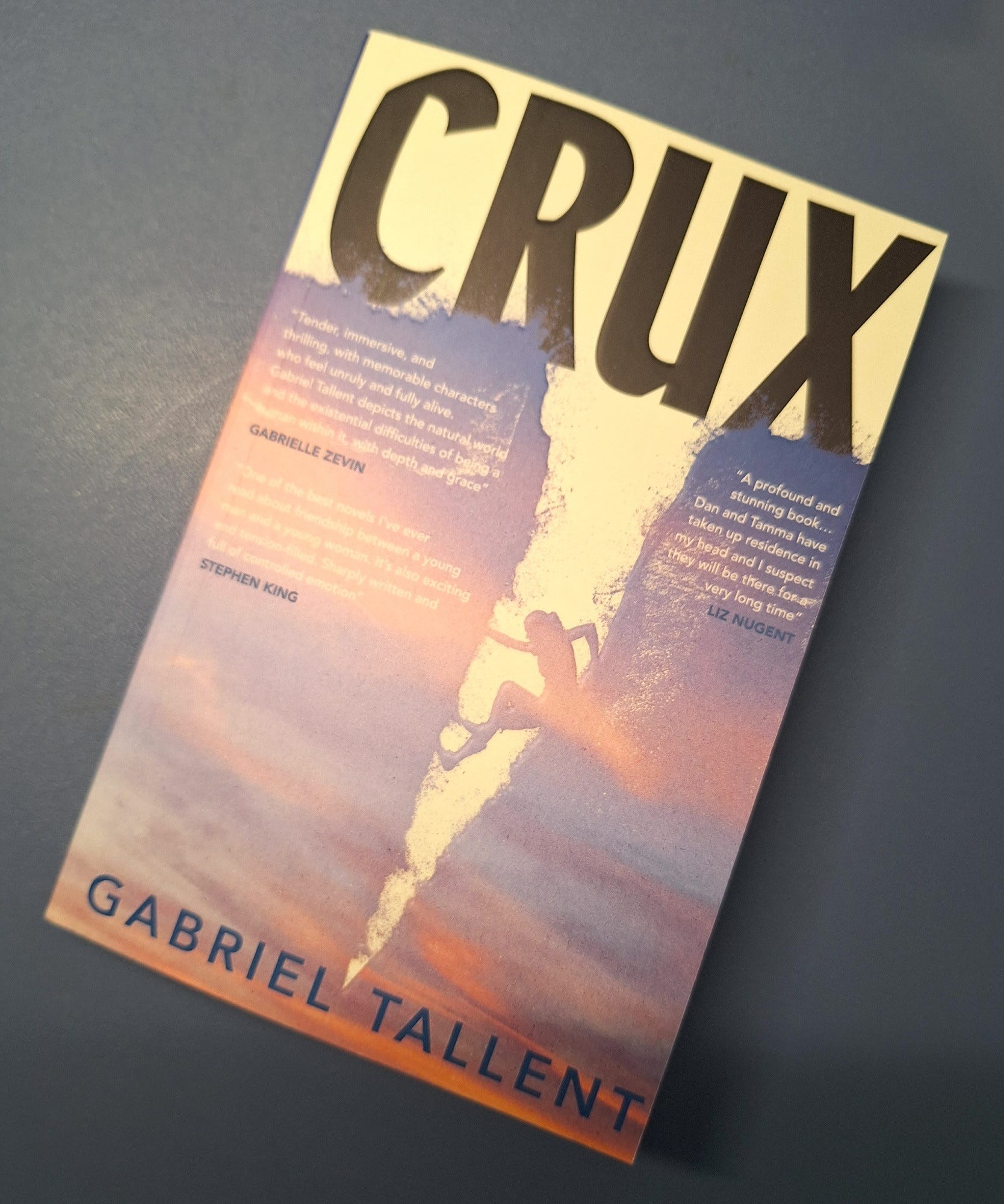
Tallent skilfully conjures the thrill of this sport, tracing each “smooth, clean, desperate movement” his protagonists make as they clamber up sheer rock-faces, climbs that are as beautiful as they’re self-destructively risky. His depictions of the barren Californian landscape at times strive to channel Cormac McCarthy, with evocative images of “figures side by side in a vast prospect of desert, […] the light, dishwater; the sun, a bed of coals embanked in ash”.
And yet we’re not in McCarthy’s unpeopled borderlands, but an era where their all-consuming passion for climbing is trivialised as material for college application letters.
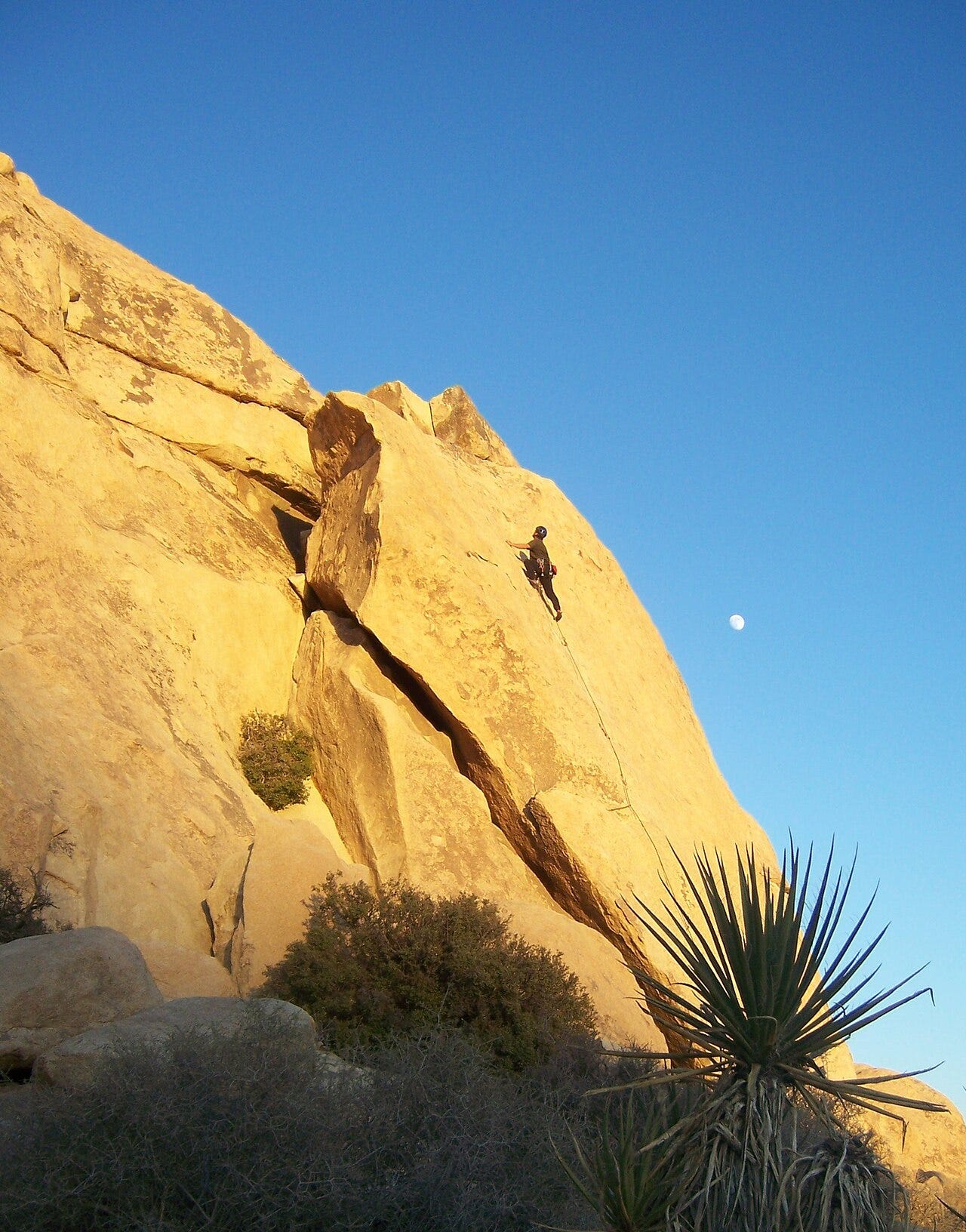
“They went to school; they did school-kid things, opened their lockers, put books away,” Tallent writes, mining the conflict between suburban mundanity and the ferocious allure of wilderness, as his characters head towards graduation and must choose their futures.
Despite how their mothers were once best friends, Dan has a chance at getting into a top university, while Tamma is trapped in an abusive home. In their movingly sincere odd-couple friendship, CRUX examines how, or if, narratives of rugged individualism survive in “the geary bowels of the great capitalist machine”. Can they discover an untouched world to live authentically in? Will their family lives—and their own lives—survive the conflicts of this story?
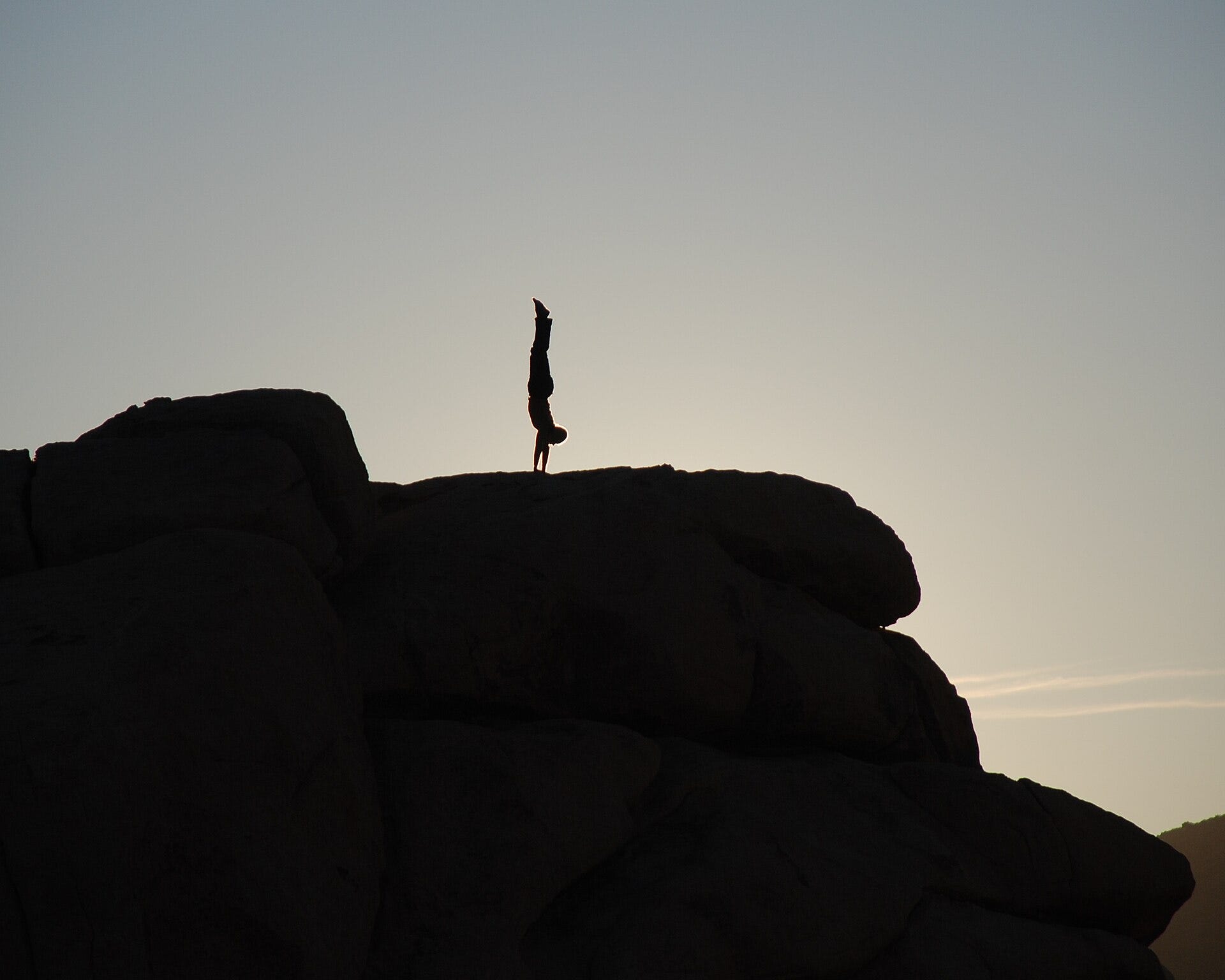
CRUX’s prose is sometimes overwrought, and if like me you’ve never gone climbing some passages may be tricky to follow, but its raw and indomitable spirit is intensely magnetic.
And if nothing else, I’ve got to like a book that describes John Oliver as “that sexy bratty english slut”.
Gabriel Tallent’s CRUX will be published on February 5th, 2026.
“If I need to do it, I can”: the sculptures of Ahuva Zeloof
I’m unusually familiar with Ahuva Zeloof’s art: I work in an office full of it.
Inches away from my chair, there are grainy chunks of of Nubian sandstone, and a hefty slab of rippled bronze. Nearby plinths display stone and metal abstractions that look like living coral, while shelves are packed with sinuous humans cast from glass.
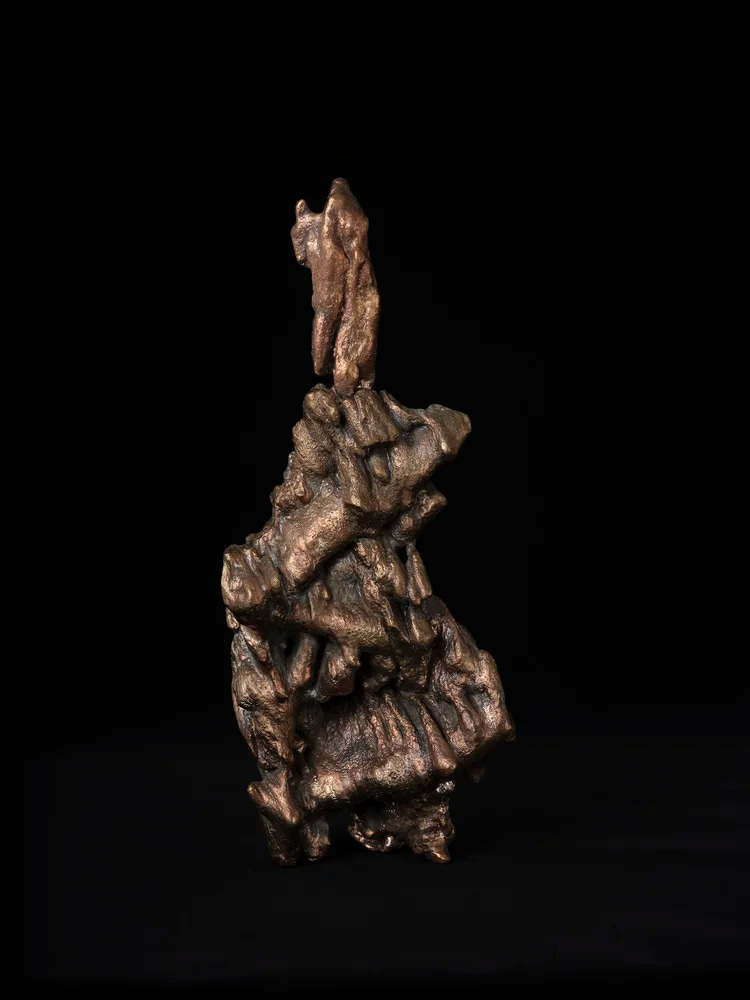
I’ve written about Zeloof (born 1946) through my day job at LOST ART magazine, but until we began borrowing her artist’s studio as our office, I hadn’t seen her work up close. Looking round this room, it’s textures—the rough-hewn surfaces of unpolished rock, dark metal’s pockmarked gleam—that catches my eye.
For her latest collection, FAITH, Zeloof cast scavenged coastal stones in metal, while in her stone carvings she always leaves a facet of her material untouched, believing that doing so allows the material, or the hand of God, to express itself.
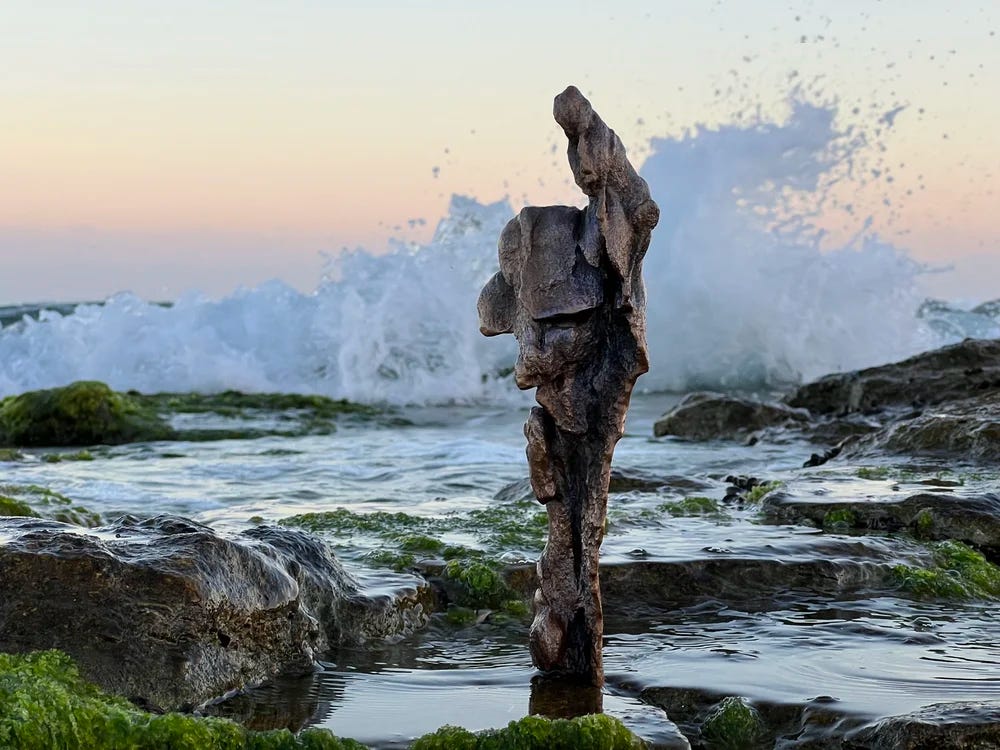
“Holy monuments and scenes of pilgrimage emerge when I view these collections of stones,” she writes in her debut art book, also titled FAITH, which releases in the US this autumn.
Zeloof came to sculpture late in life, after raising four children and seeing them fly the nest, and is now in her seventies. I’d have trouble lifting the bulky sculptures on display around me, but but age doesn’t stop her from creating ambitious pieces. ‘Carrying the stones gets harder. But once I’ve started, I don’t feel like I’m working. If I need to do it, I can,’ she told me earlier this year.
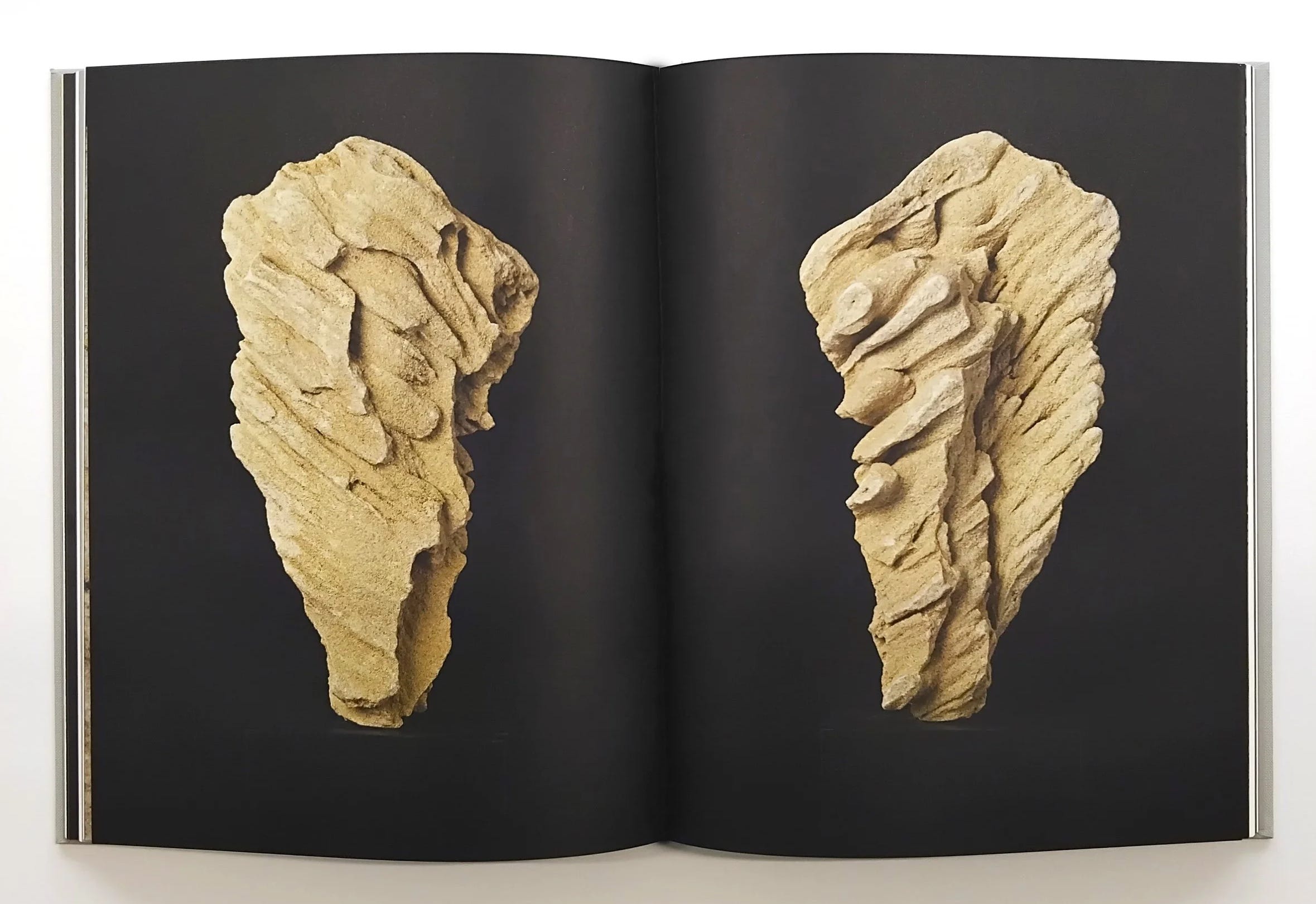
I lean close to a palm-sized piece of rock, sinuous and bony with a sandpaper surface. Was it carved into its branching shape by hand, or did the ocean work it into this form, at once abstract and eerily human? This ambiguity reflects Zeloof’s guiding ethos: her works are “created by nature and found by the artist”.
Ahuva Zeloof’s FAITH can be ordered online and in bookshops.
Candied beetroot with orange and ginger
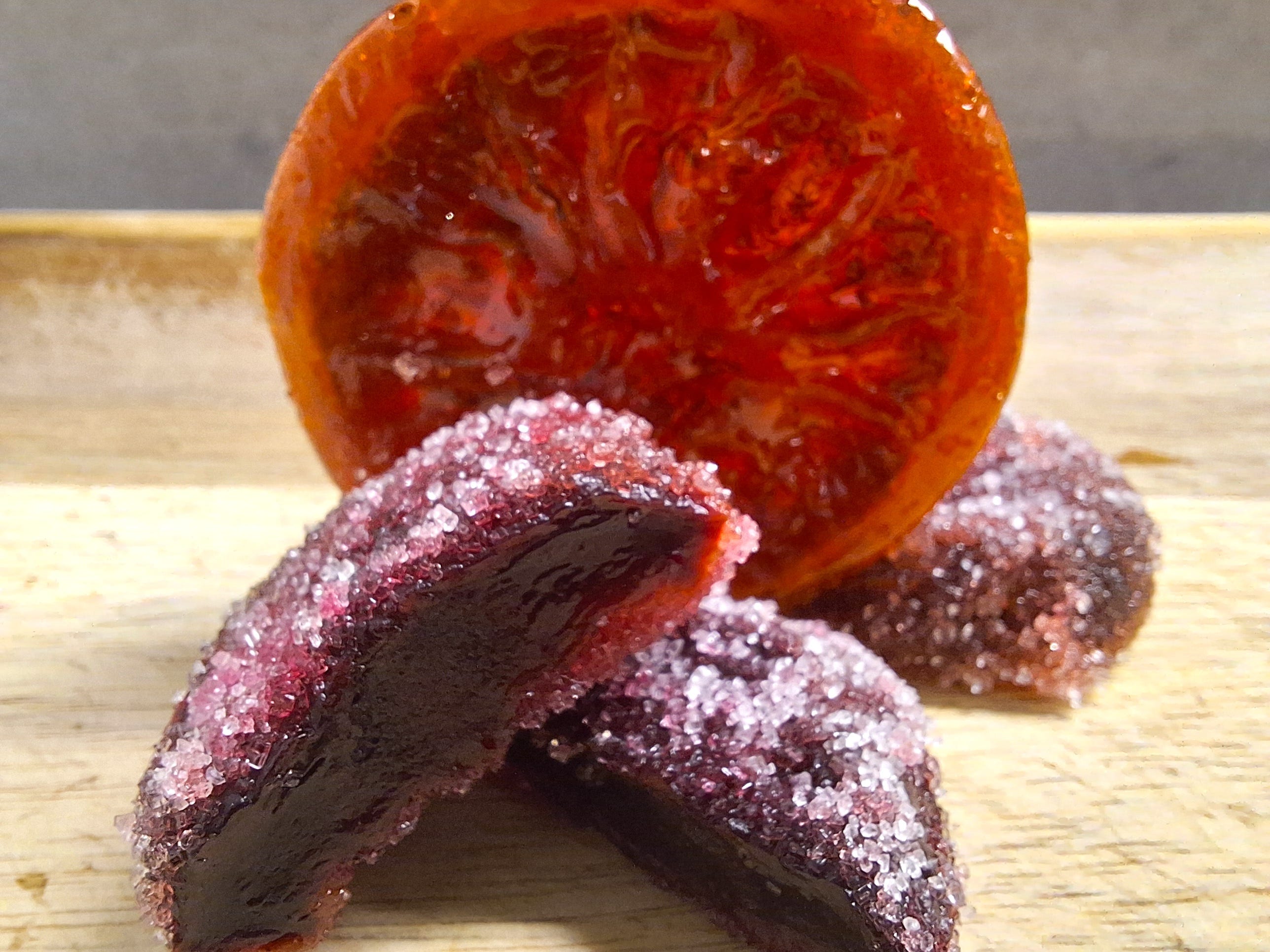
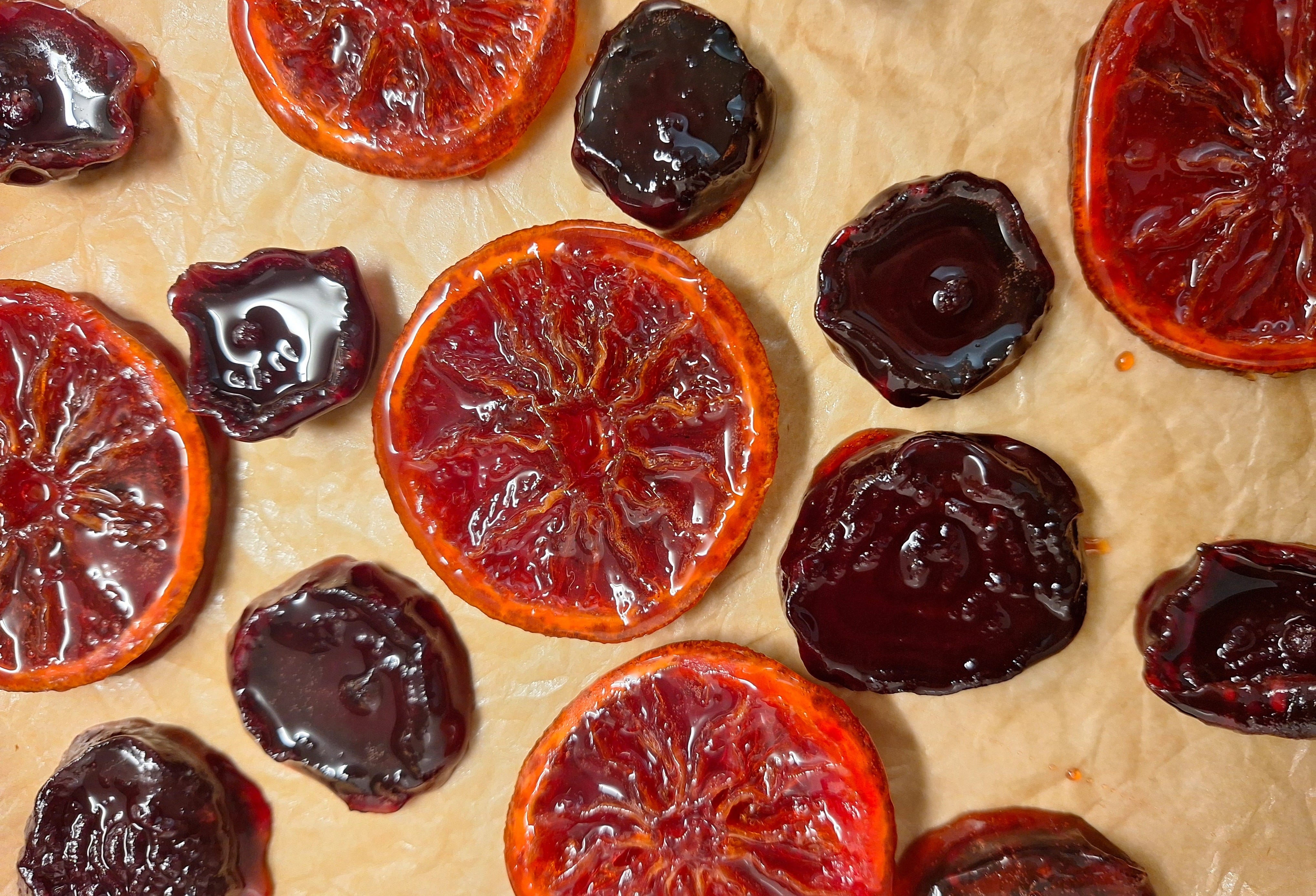
Rising out of sizzling crimson syrup, this candy looks like something from the new FRANKENSTEIN movie. But the results speak for themselves. Each piece of candied beetroot has a chewy, syrupy exterior; when rolled in sugar, they resemble fruit pastilles, but taste of beetroot’s subtle sweetness, balanced with notes of ginger and orange. It’s a candy that’ll have you asking your friends, “Can I interest you two in some DELICIOUS BEETS?”.
But don’t feel restricted to using them as confectionery. Pair them with goat’s cheese on a cheeseboard, or use them to garnish desserts (an apt decoration for a carrot or red velvet cake). And don’t forget about the syrup that accompanies this dish, which you could mix with apple and lemon juice for a drink, or drizzle over yoghurt, perhaps with a few chopped walnuts to bring out its dark complexity.
4 fresh beetroots
1 unwaxed orange
3-4 pieces fresh ginger, peeled
200g white sugar
1/2 tsp salt
Peel the beetroots, rinse to remove stray pieces of peel, and slice into thick discs. Slice off the top and bottom of the orange, and cut into skin-on discs of similar thickness.
In a lidded saucepan, bring the sugar and 400ml water to a boil. Add the beetroots, orange, ginger, and salt, and lower the heat to a simmer. If the beets aren’t fully covered, add a little more water.
Cover with the lid ajar, and let the beetroot cook for 1.5-2 hours, stirring and flipping every 15 minutes or so (you’ll need to stir more often towards the end of cooking, when the syrup thickens), or until the beet slices look smaller and wrinkled. Take off the heat.
Lightly oil some baking paper. Using two forks, remove the beets, ginger, and orange slices from the syrup and place on the paper. Pour the syrup into a heatproof container and refrigerate once it’s cooled. You may need to dilute with water if it’s very thick.
Let the candied beets dry at room temperature for a few hours, flipping once or twice. Once dry, you can roll them in sugar to prevent sticking. Transfer to a clean jar, refrigerate, and use within a week.