

How to hide the bodies
Home is where the horror is

We’re headed back to the first half of last century, to the 1930s setting of Emily Critchley’s historical mystery novel THE UNDOING OF VIOLET CLAYBOURNE, recently released in paperback. Don’t expect the discreet charm of DOWNTON ABBEY: this twisty story of class, betrayal, and manipulation is an un-romanticised peek at pre-WW2 England.
Its cast of female characters echo the icily composed women in Dod Procter’s paintings, while the classic breakfast of kedgeree that the characters eat gets a simplified update in my recipe. As D.H. Lawrence noted in his most controversial novel, this is an era that you have to be wary of. So let today’s book review welcome you to Thornleigh Hall…and don’t pry too deeply into its secrets.

Sophisticated Quote of the Week
“The world is a vast and ghastly intricacy of mechanism, and one has to be very wary, not to get mangled by it.” — D.H. Lawrence
Surreal Quote of the Week
“If you’re having relationship difficulties, have you considered buying some scented candles and then eating those candles? It won’t help, but have you considered it?” — W.S. Luk
Careless people: Emily Critchley’s THE UNDOING OF VIOLET CLAYBOURNE
“If I am to remember, I must remember not only the glamour, the decadence, and the sense of wanting so desperately to belong, but also the darker side of our story…”
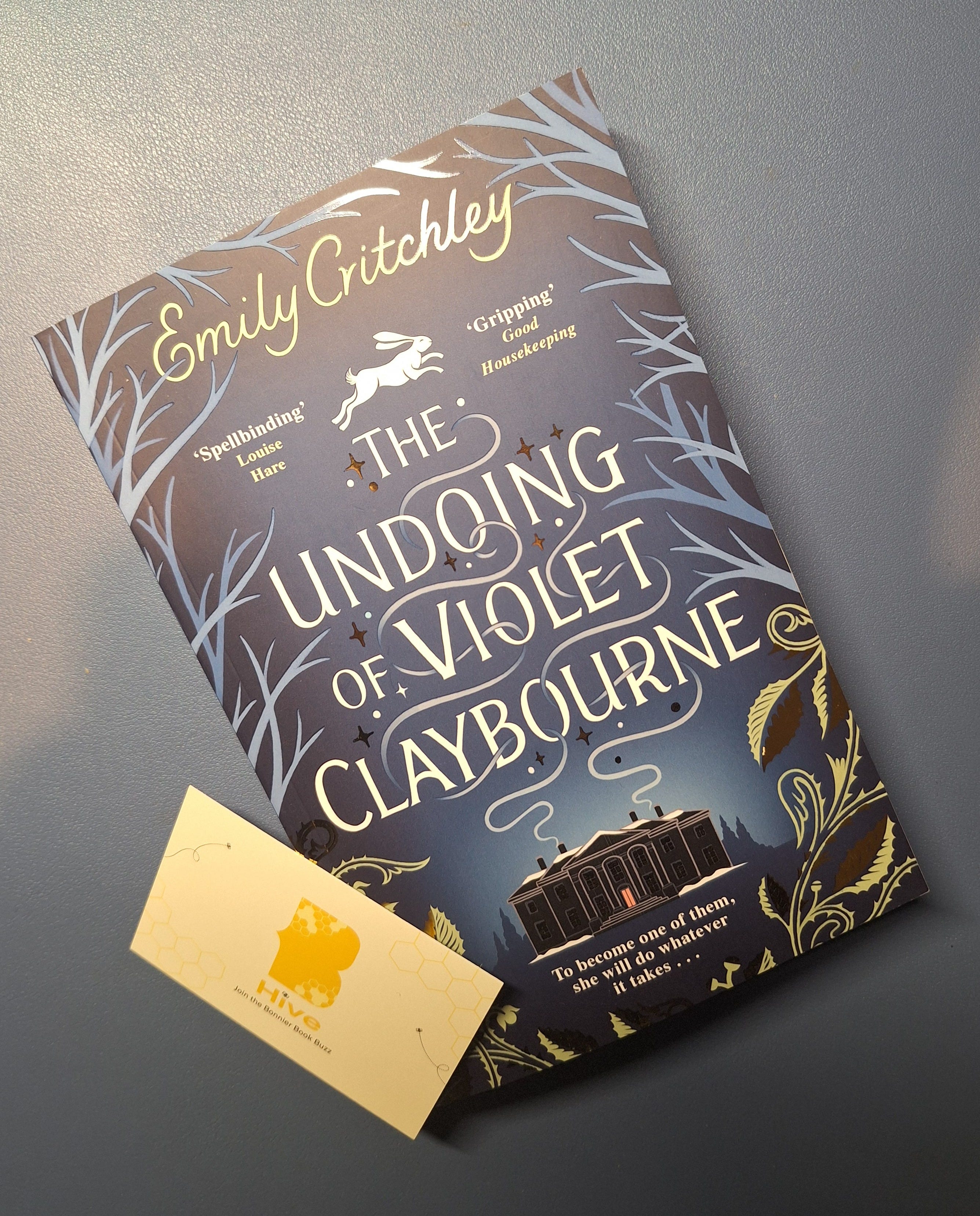
A sub-genre I love is the “friends of rich people” story. That friendship can be presumably platonic (THE GREAT GATSBY), sexual (SALTBURN), or a master-servant relationship (PARASITE and the underrated GOSFORD PARK)…but it usually ends in murder.
It’s 1938, and Gillian Larking has made an unexpected friend at school. From a wealthy family, her spirited roommate Violet Claybourne is nevertheless ostracised for behaving eccentrically (modern readers will recognise that she has OCD), and reciprocates Gilly’s friendship by inviting her to Thornleigh Hall, the Claybourne family home, for Christmas. In these luxurious surroundings, the eager-to-please Gilly falls under the spell of Violet’s charismatic elder sisters.
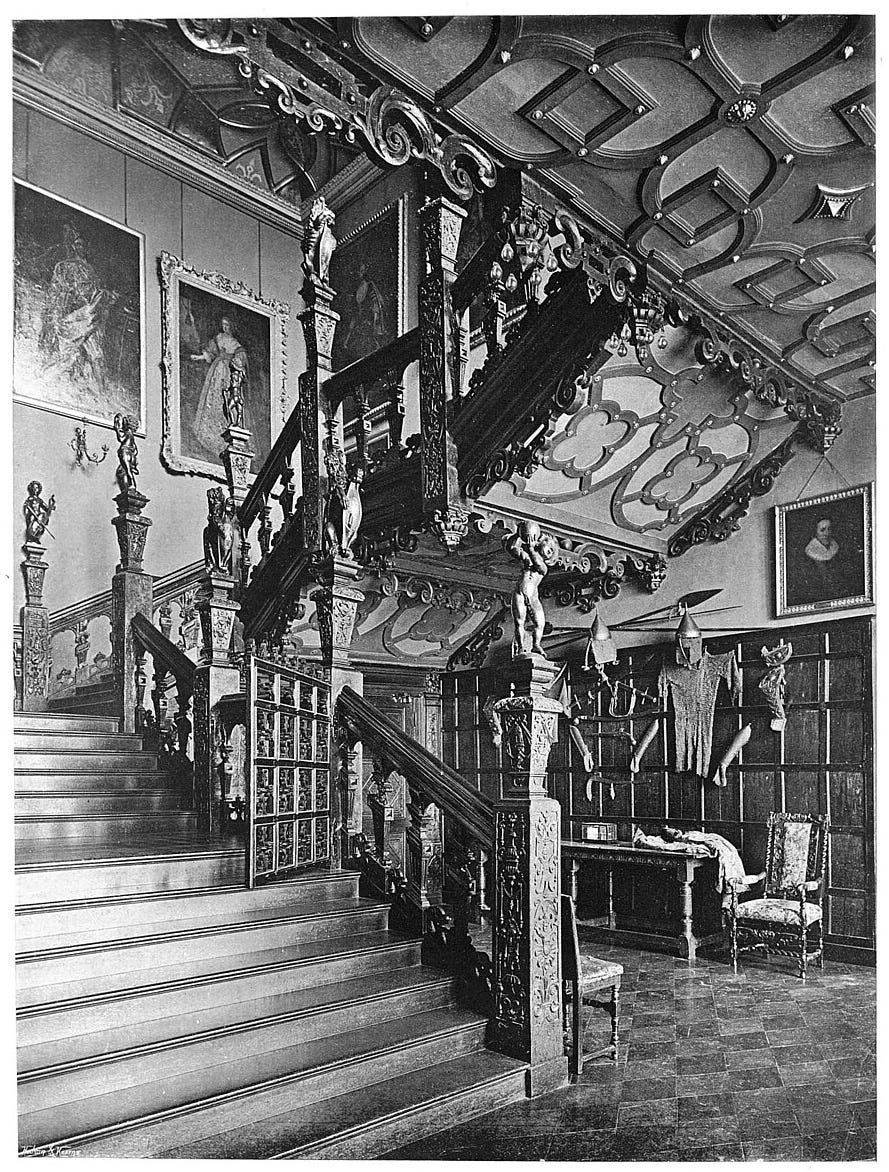
But we’re not here for a story about Christmas vacation. The Claybournes are full of secrets and scandals, and Critchley ratchets up the anticipation—until the blast of a shotgun sends the novel’s plot in a whole new direction.
A great pleasure of THE UNDOING lies in the twists of its plot and its satisfyingly dark denouement, managing the challenge of keeping us hooked even as the characters become increasingly reprehensible. I won’t spoil it here, but if you’re familiar with the term “gaslighting” or Ian McEwan’s novel ATONEMENT, you might guess where some of its suspense is headed.
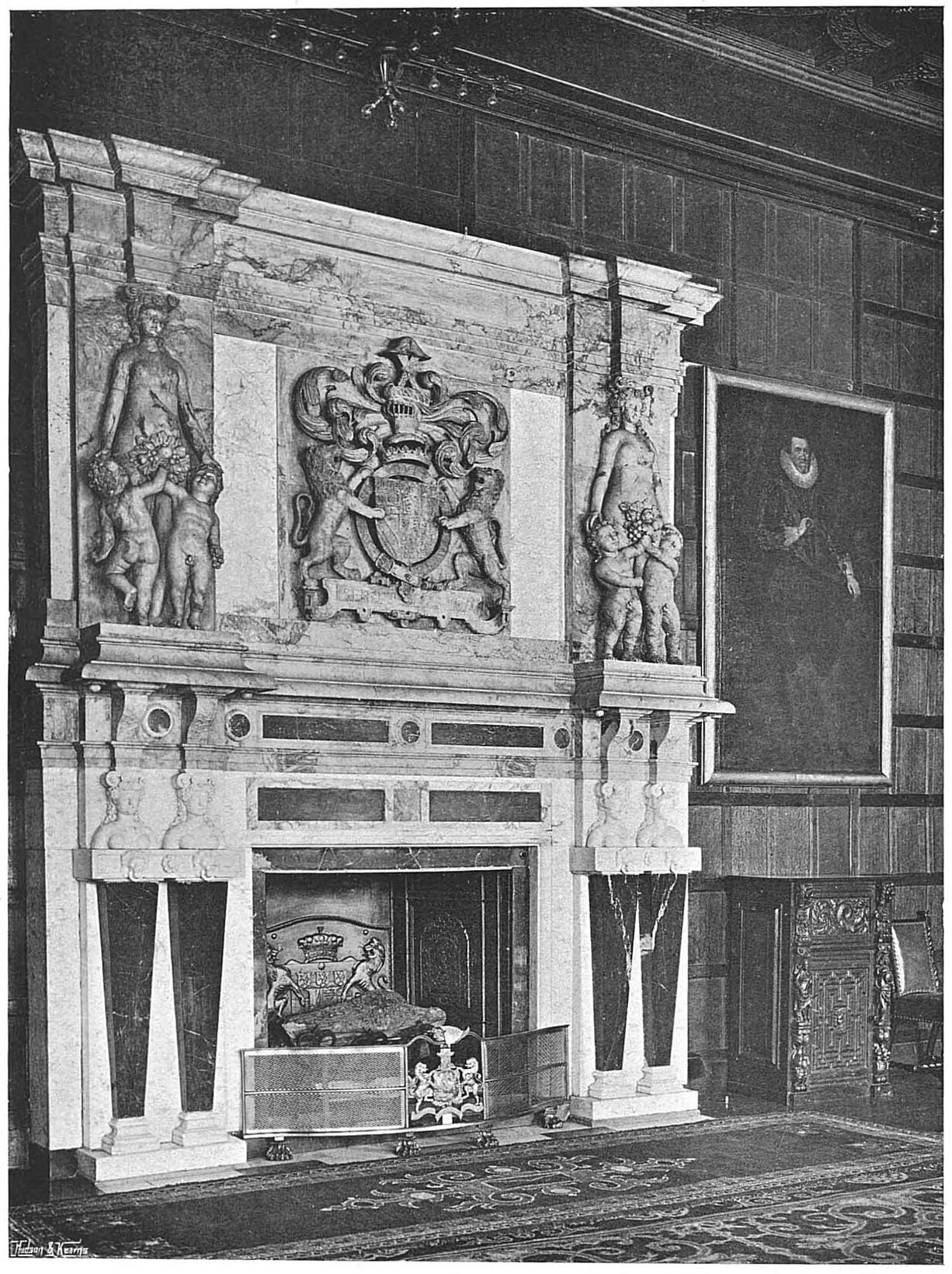
What draws us to reading about hangers-on to the one percent? “The house had been in my consciousness, along with Violet’s family, long before I’d actually arrived,” Gilly thinks. Lines of class are far more flexible today, but the opulence and status represented by a house like Thornleigh endures.
On one level these stories are cautionary tales, warning against buying into the corrupting promises of the rich. THE UNDOING certainly emphasises the Claybourne’s predatory power, crafting genuinely unsettling scenes where they exploit attitudes towards class and mental health to achieve their goals. But these stories also examine how easily their protagonists become complicit in monstrous actions.
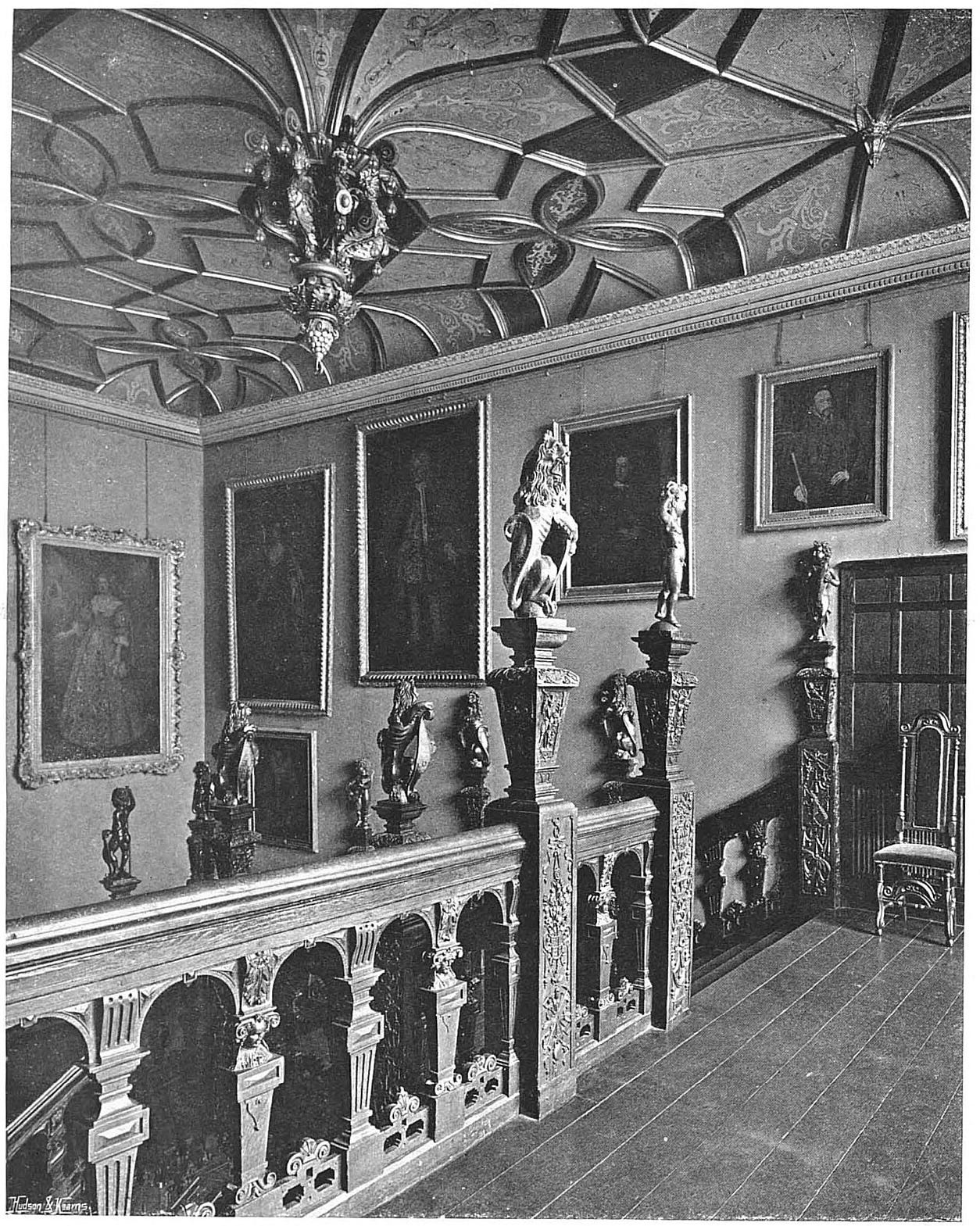
In the final pages, Gilly realises that “[she] had been happy to oblige” in cleaning up the damage the Claybournes cause. How much of that is their fault, and how much hers? “Every girl must get a chance to be a princess,” one of the sisters tells Gilly. It just depends what you’re willing to do for that chance.
THE UNDOING OF VIOLET CLAYBOURNE is now available in paperback.
“Sunless dawn”: the paintings of Dod Procter
“All art aspires to the condition of music,” the Victorian critic Walter Pater wrote. But the paintings of Dod Procter (1890-1972), while possessed of a musical elegance, nevertheless feel colder, harsher, statuesque.
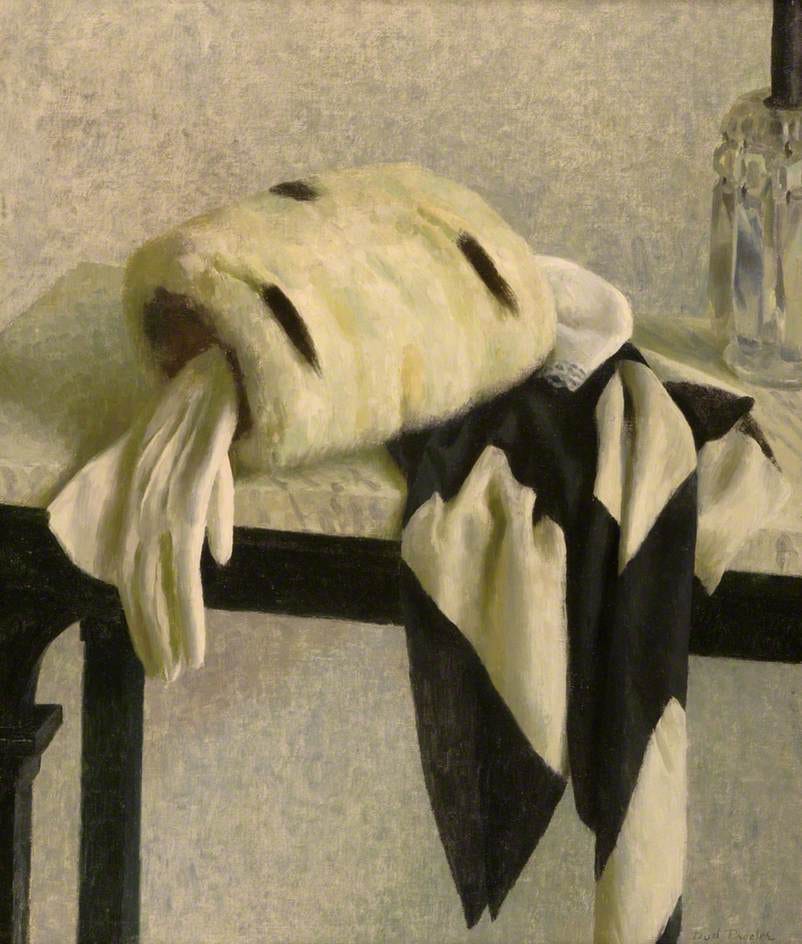
Procter’s style developed in the 1920s with paintings that combined realistic homes with statue-like figures. Her visual clarity applied itself beautifully to still life, landscapes, and most memorably portraits.

As writer Charlotte Higgins notes, her celebrated painting “Morning” quotes the pose of a statue of Ariadne, its subject’s luminous dress forming elegant folds like marble. But the painting’s point of view is askew, as is the chair next to the bed. Even though Procter immortalises this scene, it remains imperfect and human.

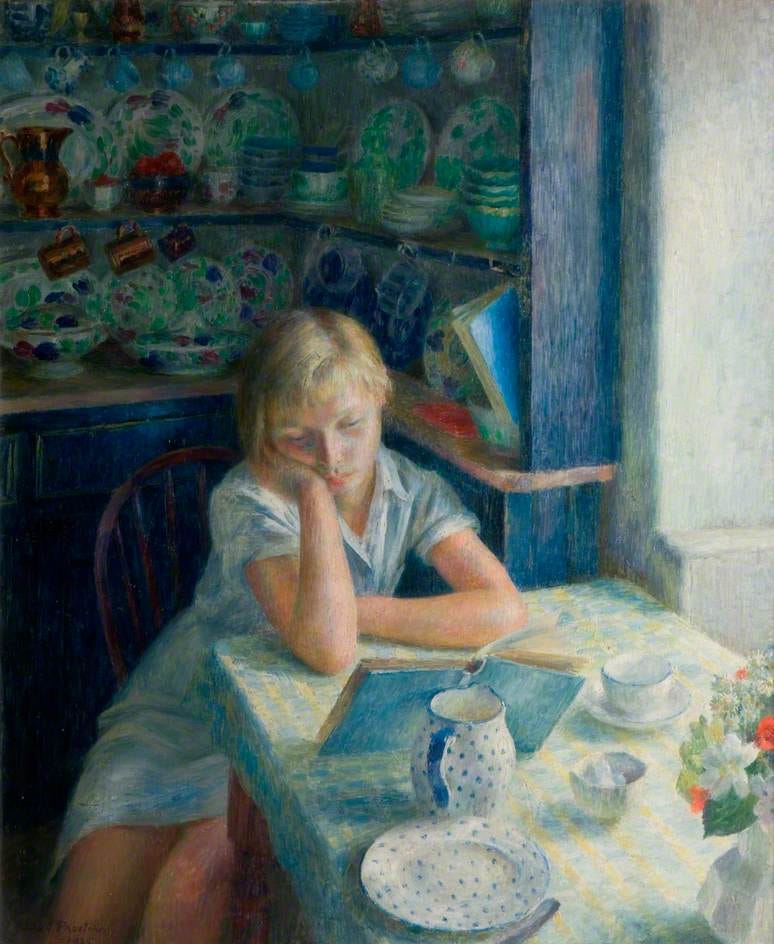
Her subjects gaze off into the distance, lost in thought, as though we’ve intruded on a private moment of grief. With a limited palette of cream and neutral blues, they capture a chilly silence that lures our curiosity.
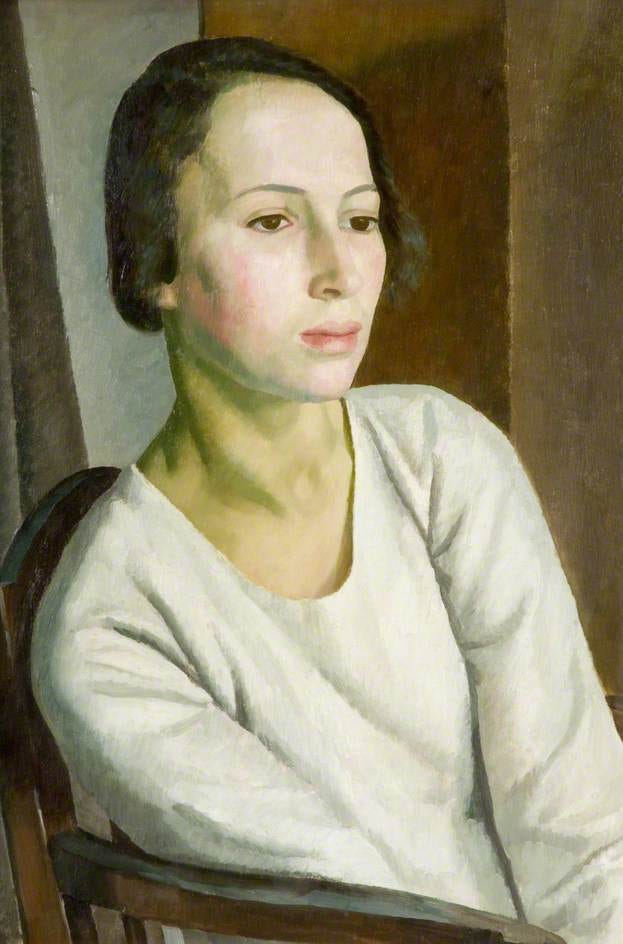
“The light is indeed cold—mere sunless dawn,” Walter Pater wrote of Botticelli, praising him for avoiding cloying sentimentality with the hints of sorrow in how he painted Virgins and goddesses. You could say something similar of Procter’s women, whose beauty is always tinged with severity.
One-pan kedgeree

I don’t regularly cook every recipe on this blog—I’m not spending every week marinating pineapples—but I make this dish all the time. A classic Indian-British breakfast, kedgeree typically combines rice, smoked fish, and hard-boiled eggs, often enriched with cream. My streamlined version instead borrows from Chinese fried rice, scrambling the eggs to create crisp pieces that merge with forkfuls of flaky fish and curried rice. You can make this recipe in less than 45 minutes, making it a perfect post-gym meal packed with flavour and nutrition.
The recipe’s also easily customisable. Add other spices or chillies during the cooking process for a hotter dish, throw in half a cup of frozen peas towards the end of cooking, or try adding other kinds of seafood: a tin of smoked oysters makes for an especially luxurious meal.

2 eggs
2 shallots
3 cloves garlic
~325g basmati rice
1 tbsp curry powder or garam masala
1 tsp ground turmeric
1/2 tbsp cumin seeds (optional)
240g smoked white fish, such as haddock or basa
1 tbsp soy sauce
2 spring onions
Handful of coriander leaves
Red chilli (optional)
Lemon
Beat the eggs and season with a pinch of salt. Slice the shallots and garlic, and cut the smoked fish into large chunks: they’ll break up when cooked. Thinly slice the spring onions, chop the coriander leaves, and slice the chilli if using.
Heat a splash of neutral oil in a saucepan over maximum heat. When the oil is smoking, pour the eggs in: they’ll bubble and form a thin sheet. Stir to break up the sheet of cooked egg, and fry for a few more seconds, or until browned on one side. Switch off the heat, remove the eggs from the pan, and set aside.
Add a little more oil to the hot pan. Over medium-high heat, sauté the shallots and garlic until golden, then add the basmati, curry powder, turmeric, and cumin seeds if using. Stir until the spices smell fragrant. Add the fish and 325ml water, cover, and bring to a boil. Turn the heat down to low and simmer for about 15 minutes, stirring occasionally, or until the rice is cooked through. You may need to add more water.
When the rice is cooked, add the soy sauce and season to taste with salt and pepper, as smoked fish is already salty. Stir in the cooked eggs, spring onions, coriander, and optionally some chillies. Serve with a big squeeze of lemon juice.
I’d never heard of Dod Proctor before - beautiful paintings